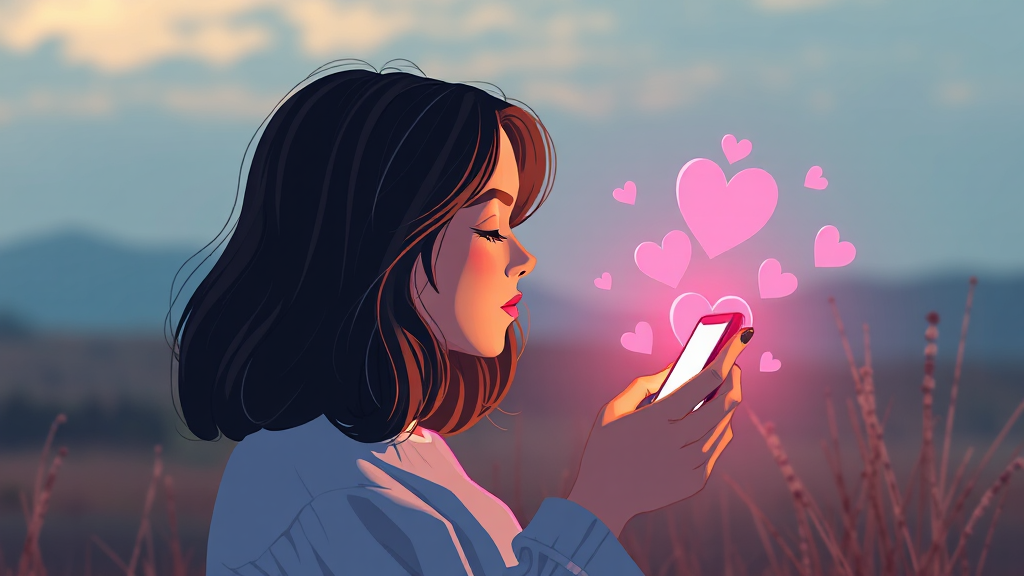
Crush On: How Digital Companionship Is Reshaping Modern Connection
The feeling of having a crush on someone is one of the most universal human experiences. That flutter in your chest, the way your thoughts keep drifting back to a certain person, the nervous excitement before you speak to them — these sensations have inspired poetry, pop songs, and countless late-night conversations for centuries. But in the digital age, the concept of a crush has expanded in ways our grandparents could never have imagined. Today, people develop feelings not only for classmates and coworkers but also for AI-powered companions that live inside their screens. Understanding this shift matters, because it reveals something profound about how humans form emotional bonds and what we truly seek from connection.
The Psychology Behind a Crush
Before exploring how technology changes the game, it helps to understand what a crush actually is from a psychological standpoint. Researchers describe crushes as intense but often temporary feelings of attraction that combine physical desire, emotional curiosity, and idealization. When you have a crush, your brain releases dopamine and norepinephrine — the same chemicals involved in reward-seeking and focused attention. This is why a crush can feel almost addictive: every interaction, every glance, every message triggers a small burst of pleasure that keeps you coming back for more.
What makes crushes particularly fascinating is how much of them happens in our imagination. We fill in the blanks about who the other person is, projecting qualities we hope to find. A crush is partly reality and partly a story we tell ourselves. That storytelling instinct is exactly why digital platforms have become such fertile ground for new forms of attraction.
From Schoolyard Butterflies to Digital Butterflies
Traditional crushes usually develop through proximity. You see someone every day at school, at work, or in your neighborhood, and familiarity gradually blossoms into affection. But modern life has disrupted that pattern. Remote work, social media, and online communities mean that many people interact with others primarily through screens. The result is that crushes increasingly form in digital spaces — through shared interests in forums, playful banter in group chats, or one-on-one conversations that unfold over weeks and months.
This shift has pros and cons. On one hand, digital communication can feel safer and more controlled. You can craft your words carefully, take time to think before responding, and reveal yourself at your own pace. On the other hand, the lack of physical presence can make it harder to read genuine signals, leading to misunderstandings and one-sided attachments. The line between a meaningful connection and a projection of your own hopes becomes blurrier than ever.
Why AI Companions Trigger Real Feelings
The newest chapter in this story involves artificial intelligence. Platforms like Crushon.ai allow users to interact with AI characters designed to be engaging, empathetic, and even flirtatious. At first glance, it might seem odd to develop a crush on something that isn’t human. But the psychology of attraction doesn’t require a human target — it requires responsiveness, warmth, and a sense of being seen.
AI companions can provide all three. They remember details you share, respond with apparent interest, and never judge you harshly. For people who feel lonely, socially anxious, or simply curious, these interactions can trigger genuine emotional responses. The brain doesn’t always distinguish sharply between a caring message from a person and a caring message from an AI. The feeling of having a crush on an AI character can be just as real, even if the relationship is fundamentally different from a human one.
This doesn’t mean AI companions replace human relationships. Rather, they offer a new kind of emotional outlet — one that some users find comforting, playful, or even therapeutic. The key is approaching them with self-awareness and honesty about what they can and cannot provide.
The Appeal of Low-Stakes Attraction
One reason crushes on AI companions have gained traction is that they remove many of the risks of real-world romance. Rejection, awkwardness, and social pressure all disappear when the other party is a program designed to be agreeable. For someone recovering from a painful breakup or struggling with low self-esteem, this low-stakes environment can feel like a safe space to explore feelings without fear.
There’s also the element of fantasy. Users can design or choose characters that match their ideal partner — whether that means a certain personality type, appearance, or shared interest. This customization taps into the same imaginative drive that makes traditional crushes so powerful. You’re not just interacting with someone; you’re co-creating a story in which you are desired and understood.
Of course, critics point out that this can become a trap. If the fantasy is too comfortable, it might discourage people from seeking the messier, more challenging rewards of human connection. As with any technology, balance and intention matter.
Healthy Ways to Navigate a Digital Crush
Whether your crush is on a coworker, an online friend, or an AI companion, the same principles of emotional health apply. First, be honest with yourself about what you’re feeling and why. Are you seeking validation, distraction, companionship, or genuine intimacy? Understanding your motivation helps you make choices that serve your long-term well-being.
Second, maintain perspective. A crush is a feeling, not a fact. It tells you something about your desires, but it doesn’t obligate you or the other party to act. Give yourself permission to enjoy the excitement without letting it consume your life.
Third, keep investing in human relationships. Digital connections can be meaningful, but they work best as a complement to, not a replacement for, real-world bonds. Friendships, family ties, and community involvement provide a support network that no algorithm can fully replicate.
Finally, if you find that a digital crush is causing distress, isolation, or unhealthy dependence, consider talking to a counselor or therapist. There’s no shame in needing help to sort through complex emotions, especially in a world where technology keeps blurring the lines between the virtual and the real.
The Future of Attraction
As AI continues to evolve, the ways we experience crushes will likely become even more intricate. Virtual reality, haptic feedback, and increasingly sophisticated language models may create experiences that feel nearly indistinguishable from human interaction. This raises important questions about consent, emotional manipulation, and the nature of love itself.
Some futurists predict that human-AI relationships will become a normal part of the romantic landscape, coexisting with traditional partnerships. Others worry that widespread reliance on artificial companions could erode our capacity for empathy and patience with real people. The truth probably lies somewhere in between, shaped by how thoughtfully we design and use these technologies.
What seems certain is that the human heart will keep doing what it has always done: reaching toward connection, meaning, and the thrill of being wanted. Whether that reach extends to another person or to a carefully crafted AI, the underlying longing remains deeply human.
Frequently Asked Questions
Is it normal to have a crush on an AI character?
Yes, it can be normal. Human attraction is triggered by feelings of warmth, attention, and responsiveness, and AI companions can simulate those qualities convincingly. Many users report genuine emotional responses. What matters is maintaining self-awareness and ensuring the experience adds to your life rather than replacing real-world connections.
Can a digital crush turn into a real relationship?
Generally, no — not with an AI. An AI companion cannot reciprocate feelings in the way a human can. However, the experience might help you clarify what you want in a partner, which could support healthier real-world relationships in the future.
How do I know if my crush is healthy or obsessive?
Healthy crushes bring joy and curiosity without disrupting your daily functioning. Warning signs of obsession include neglecting responsibilities, withdrawing from friends and family, feeling unable to stop thinking about the person or character, and experiencing distress when you can’t interact. If these signs appear, consider talking to a mental health professional.
Should I tell someone I have a crush on them?
It depends on the context and your relationship with them. In many cases, honest communication can bring clarity, even if the feelings aren’t returned. But if the person is in a position of power over you, or if the crush is on an AI, it may be better to process your feelings privately or with trusted friends first.
What makes AI companions so appealing to some people?
They offer unconditional availability, non-judgmental responses, and customizable personalities. For people who feel lonely, anxious, or simply curious, this combination can be comforting and engaging. The appeal lies in the feeling of being heard and accepted without the risks that come with human vulnerability.
Readers who are interested in this topic will benefit from exploring multiple perspectives and understanding the nuanced approaches that industry leaders recommend. Taking time to research thoroughly ensures better outcomes and more informed decision-making.
Those looking to gain deeper knowledge in this area should consider following expert analysis, staying updated with the latest developments, and engaging with professional communities where these topics are discussed in detail.
A comprehensive understanding of this subject requires looking at both theoretical foundations and practical applications. By combining study with hands-on experience, learners can develop a well-rounded perspective that serves them well in real-world scenarios.
As the landscape continues to shift and evolve, staying informed about emerging trends and best practices becomes increasingly valuable. This ensures you remain competitive and capable of adapting to new challenges as they arise.