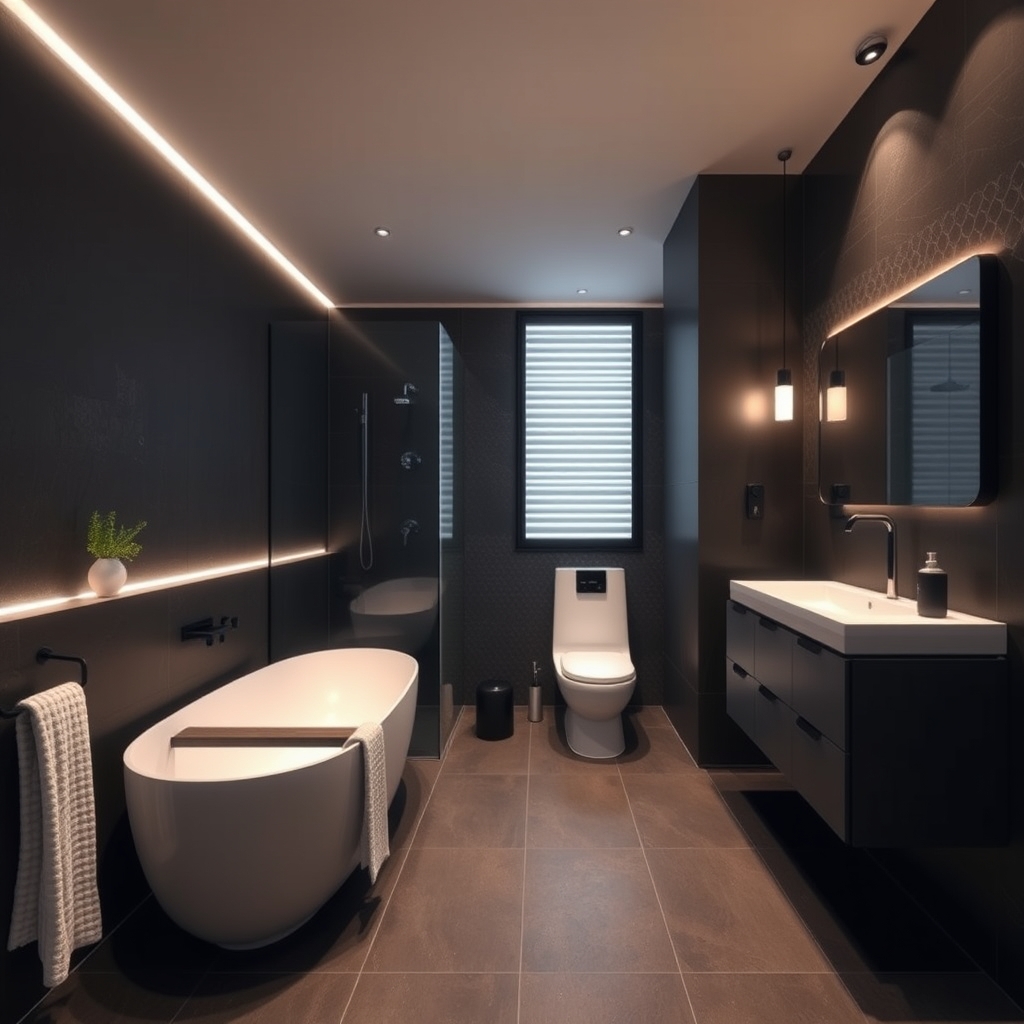
Bathroom Renovation Sydney: Transform Your Space with Expert Craftsmanship
Learn more about Bathroom Renovation Sydney and how it applies to your specific needs.
Undertaking a project is one of the most rewarding home improvements you can make. Whether you’re looking to modernise a dated ensuite, increase property value, or simply create a personal sanctuary, the process requires careful planning, skilled tradespeople, and a clear vision. In a city as dynamic as Sydney, where property styles range from Victorian terraces to contemporary apartments, a tailored approach to bathroom design is essential. This comprehensive guide will walk you through every stage—from initial concept to final touches—helping you navigate the complexities of a successful renovation.
Learn more about Bathroom Renovator and how it applies to your specific needs.
Why focus on the bathroom? It’s one of the most-used rooms in any home, and its condition significantly impacts daily comfort and overall property appeal. A well-executed renovation can deliver a return on investment of 70–80% or more, making it a smart financial decision. However, the journey involves numerous decisions: layout changes, waterproofing standards, fixture selection, lighting, and storage. By understanding the process and partnering with experienced professionals, you can avoid common pitfalls and achieve a stunning result.
Planning Your Bathroom Renovation in Sydney
Before any demolition begins, thorough planning sets the foundation for a smooth project. Start by defining your goals: Are you aiming for a luxury spa-like retreat, a family-friendly wet room, or a minimalist powder room? Your answer will guide material choices, budget allocation, and timeline. Next, assess your existing space—measurements, plumbing locations, and structural elements—to understand what’s possible within your footprint.
Budgeting is critical. In Sydney, a standard bathroom renovation can range from $15,000 to $40,000 or more, depending on size, quality of finishes, and complexity. Allocate funds for unexpected issues like old plumbing or electrical upgrades. Always include a contingency of 10–15%. Consider consulting a early in the planning phase; their expertise can help you prioritise spending and avoid costly mistakes.
Permits and regulations are another key consideration. In New South Wales, waterproofing must comply with the National Construction Code and Australian Standard AS 3740. You may need a development approval or complying development certificate if altering structural elements. Your renovator should handle these requirements, but it’s wise to confirm they are licensed and insured. Finally, create a realistic timeline—most full renovations take 4–8 weeks—and plan for alternative bathing arrangements during the work.
Design Trends for Sydney Bathrooms
Sydney homeowners increasingly embrace designs that balance aesthetics with functionality. Current trends include the use of natural materials like stone, timber, and terrazzo to create warmth and texture. Large-format tiles reduce grout lines, making spaces feel larger and easier to clean. Matte black or brushed brass fixtures add a contemporary edge, while freestanding bathtubs remain a popular focal point.
Colour palettes are shifting toward earthy neutrals—soft greens, warm beiges, and charcoal—often paired with white or cream for contrast. Underfloor heating is a sought-after luxury, especially during Sydney’s cooler months. Smart technology, such as digital shower controls, LED mirrors, and motion-sensor lighting, is also gaining traction. However, trends should complement your home’s existing style; a heritage terrace might suit classic subway tiles and clawfoot tubs, while a new apartment lends itself to sleek, linear designs.
Storage solutions are paramount. Recessed niches, floating vanities, and mirrored cabinets maximise space without clutter. Consider open shelving for display items and closed storage for toiletries. A well-designed layout can make even a small bathroom feel spacious. If you’re unsure about design choices, working with a expert can provide access to showrooms and samples, helping you visualise the final look.
Choosing the Right Trades and Materials
The success of your hinges on the quality of workmanship and materials. Start by selecting a licensed builder or renovator with specific bathroom experience. Check references, view past projects, and ensure they carry public liability insurance and workers’ compensation. A reputable professional will provide a detailed quote, including scope of work, timeline, and payment schedule.
Learn more about House Renovations and how it applies to your specific needs.
Materials should be both beautiful and durable. For tiles, porcelain and ceramic are practical for floors and walls; natural stone requires sealing but offers unique character. Waterproofing is non-negotiable—insist on a certified membrane applied by an experienced waterproofed. Choose tapware and fittings from trusted brands; they’ll endure daily use and come with warranties. Vanities can be custom-built or ready-made; solid timber or high-quality MDF with a moisture-resistant finish are reliable options.
Learn more about Renovation and how it applies to your specific needs.
Lighting is often overlooked but transforms the atmosphere. Layer ambient, task, and accent lighting: downlights for general illumination, vanity lights for grooming, and dimmable options for relaxation. Ventilation is equally important—a quality exhaust fan prevents mould and moisture damage. When selecting fixtures, prioritise water efficiency to reduce bills and environmental impact.
The Renovation Process Step by Step
Understanding the typical workflow helps set expectations. The process generally unfolds in these stages:
- Demolition and removal: Old fixtures, tiles, and fittings are stripped out. Protect floors and walls in adjacent areas.
- Rough-in work: Plumbers and electricians reroute pipes and wiring as per the new design. This is the time to relocate drains or add outlets.
- Waterproofing: A certified waterproofing layer is applied to wet areas, particularly the shower floor and walls. This must dry and be inspected.
- Tiling and flooring: Tiles are laid, starting with floors and then walls. Allow proper curing before grouting.
- Installation of fixtures: Vanity, toilet, shower screen, bathtub, and tapware are fitted. Cabinetry and shelving are installed.
- Electrical and finishing: Lights, exhaust fan, mirror, and accessories are added. Caulking, painting, and final clean-up complete the job.
Throughout this process, communication with your renovator is key. Regular site visits and progress updates ensure alignment. Delays can occur due to material shortages or unforeseen structural issues, so maintain flexibility. A professional will manage subcontractors and keep the project on track.
Cost Breakdown and Budget Tips
Understanding where your money goes helps you make informed decisions. On average, a mid-range bathroom renovation in Sydney costs $20,000–$30,000. Here’s a typical breakdown:
- Labour (tiling, plumbing, electrical, waterproofing): 40–50%
- Fixtures and fittings (vanity, toilet, shower, tapware): 20–30%
- Tiles and flooring: 10–15%
- Vanity and cabinetry: 10–15%
- Miscellaneous (permits, disposal, contingency): 5–10%
To save money without sacrificing quality, consider keeping the existing layout to minimise plumbing moves. Choose mid-range fixtures from reputable brands rather than top-tier luxury. Source tiles from discount suppliers or end-of-line sales. Do your own demolition if you’re handy, but leave skilled tasks to professionals. Always get multiple quotes and compare not just prices but scope of work.
Financing options include personal savings, home equity loans, or renovation-specific loans. Some homeowners use credit cards for smaller purchases, but be mindful of interest rates. A well-planned budget ensures you complete the project without financial stress.
Common Mistakes to Avoid
Even seasoned renovators can stumble. Here are frequent pitfalls and how to sidestep them:
- Poor planning: Rushing the design phase leads to regret. Take time to finalise layouts, materials, and fixtures before starting.
- Underestimating waterproofing: Cutting corners here causes leaks, mould, and costly repairs. Always use a certified waterproofed.
- Ignoring ventilation: Inadequate exhaust fans result in condensation and damage. Invest in a quality unit with sufficient airflow.
- Skimping on storage: Without enough storage, bathrooms become cluttered. Plan for niches, cabinets, and drawers.
- DIY on complex tasks: Electrical and plumbing work must be done by licensed trades. DIY can void insurance and create hazards.
- Not considering resale: Overly personalised designs may deter future buyers. Aim for timeless appeal with subtle personal touches.
By avoiding these errors, you’ll save time, money, and frustration. Partnering with an experienced team can help you navigate challenges and deliver a result you’ll love.
FAQs
How long does a bathroom renovation take in Sydney?
Typically, a full bathroom renovation takes 4 to 8 weeks, depending on the scope of work, availability of materials, and trades. Simple cosmetic updates may take 2–3 weeks, while major structural changes can extend to 10 weeks or more. Your renovator should provide a detailed timeline based on your specific project.
Do I need council approval for a bathroom renovation?
In most cases, internal bathroom renovations that don’t alter the building structure or footprint do not require council approval. However, if you’re moving walls, changing plumbing significantly, or altering the external envelope, you may need a complying development certificate or development application. Always check with your local council or consult a professional.
What is the most expensive part of a bathroom renovation?
Labour typically accounts for the largest portion of the budget (40–50%), followed by fixtures and fittings. Tiling, plumbing, and waterproofing are significant cost drivers. Luxury items like freestanding baths, custom vanities, and high-end tapware can also increase costs substantially.
How can I reduce the cost of my bathroom renovation?
To save money, keep the existing layout to avoid moving plumbing, choose mid-range materials, do some demolition yourself, and shop for sales on tiles and fixtures. Getting multiple quotes and sticking to a clear plan also helps control costs. Avoid changing your mind mid-project, as that leads to additional charges.
Should I hire a bathroom renovator or a general builder?
A specialised bathroom renovator brings targeted experience, established trade relationships, and knowledge of waterproofing and tiling best practices. General builders can also do the job, but a specialist often delivers more efficient results. Always verify licenses, insurance, and references regardless of whom you choose.
Conclusion
A project is an investment in your home and lifestyle. With careful planning, the right team, and quality materials, you can create a space that is both beautiful and functional. From initial design to final installation, every decision matters. Whether you’re aiming for a modern sanctuary or a classic family bathroom, the key is to stay informed, communicate clearly with your renovator, and enjoy the transformation. Start your journey today by consulting with trusted professionals who understand Sydney’s unique housing landscape and building standards.