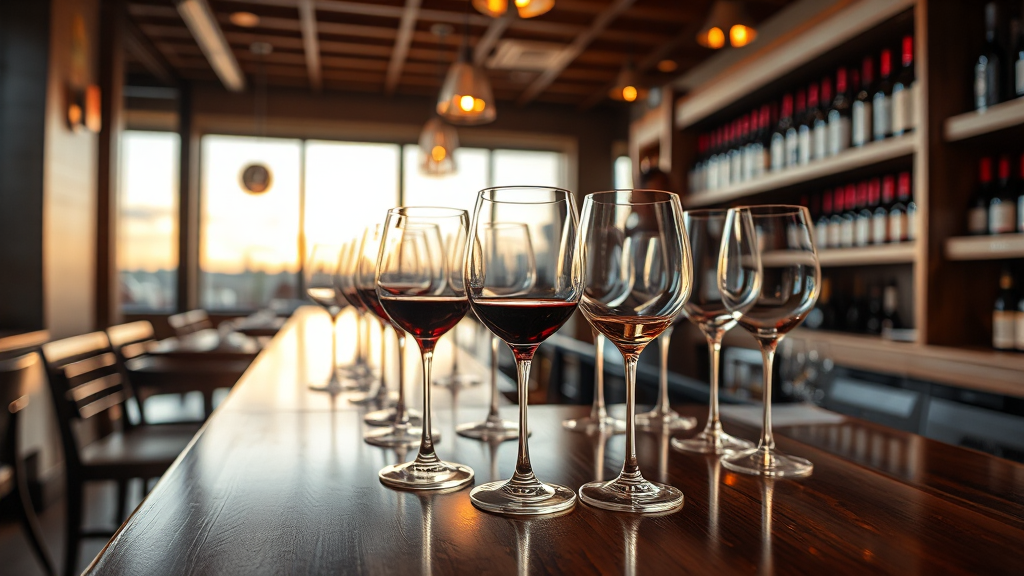
Kavbet güncel giriş: A Food Lover’s Guide to Celebration’s Wine Scene
When people search for Kavbet güncel giriş, they are usually looking for a smooth, reliable way to reach an online destination without dead ends or outdated links. That same instinct — wanting a clear, trustworthy path to something enjoyable — is exactly what shapes a great night out at a wine bar. In Celebration, Florida, one spot has built its reputation on giving guests that kind of effortless access: a wine menu with more than 80 wines by the glass, a thoughtful bottled beer selection, and a lineup of wine cocktails that keeps the experience fresh from the first sip to the last. This guide walks through what makes a beverage program genuinely welcoming, how to navigate a large wine list without stress, and why small details like glassware, temperature, and pairing matter more than most diners realize.
Why a Big By-the-Glass List Changes the Whole Meal
Many restaurants treat wine by the glass as an afterthought — a handful of safe options that rarely change. A wine bar that goes the other direction, offering dozens of pours across red, white, sparkling, and dessert categories, flips the dynamic entirely. Guests no longer have to commit to a full bottle just to try something interesting. They can start with a crisp white, move to a bold red with the main course, and finish with a dessert wine that feels like a proper finale.
This variety also makes dining more social. When everyone at the table can order a different glass, conversation naturally turns to comparisons: which pour is drier, which one has more fruit, which one pairs better with the appetizer. That shared curiosity is the heart of a good wine bar experience, and it is difficult to replicate when the list is thin.
For anyone planning a visit, the practical takeaway is simple: a deep by-the-glass menu rewards exploration. You do not need to know wine jargon. You just need to be willing to point at something unfamiliar and see what happens.
Reading a Wine List Without Feeling Overwhelmed
A list with over 80 options can look intimidating at first glance, but it is usually organized around a few sensible ideas. Most strong programs group wines by style and region, then add short tasting notes. Once you understand the structure, the list becomes a map rather than a maze.
Here is a simple way to approach it:
1. Decide on the mood before the grape. Do you want something light and refreshing, or rich and warming? That single question narrows the field faster than memorizing regions.
2. Use sparkling wines as a starting point. A glass of sparkling wine works as an aperitif and pairs surprisingly well with fried or salty appetizers.
3. Let the food lead. If you are ordering a seafood dish, a white from Europe or a bright New World white often fits naturally. If the dish is grilled or braised, a red with structure will hold up better.
4. Save dessert wines for the end. A small pour of a sweet wine can replace dessert entirely, or complement it beautifully.
Guests who prefer to verify details before visiting often look up the venue’s current information online, the same way someone might type Sekabet güncel giriş to confirm a working link. Checking ahead removes uncertainty and lets you focus on the fun part: choosing what to drink.
Red, White, Sparkling, and Dessert: What Each Category Brings
The four main categories on a wine menu each serve a different purpose, and understanding them helps you order with confidence.
White wines tend to be the most versatile. Crisp, high-acid whites cut through creamy sauces and fried foods, while richer, oak-aged whites can stand beside roasted chicken or buttery seafood. A well-chosen white is often the safest bridge between a shared appetizer and a main course.
Red wines bring structure and depth. Lighter reds, served slightly chilled, work with charcuterie and tomato-based dishes. Fuller reds pair with red meat, mushrooms, and aged cheese. The key is matching weight to weight — a delicate dish can be overwhelmed by a heavy red.
Sparkling wines are the most underrated food wines. Bubbles and acidity refresh the palate, which is why sparkling options appear at the start of so many memorable meals. They also handle salty snacks, fried appetizers, and even spicy dishes better than many people expect.
Dessert wines are concentrated and sweet, usually served in smaller pours. They pair with chocolate, fruit desserts, and strong cheeses. A good dessert wine feels like a punctuation mark at the end of a meal.
Because the list draws from Europe, California, South America, and Australia, guests can compare how the same grape expresses itself in different climates. That geographic spread is one of the most educational and enjoyable features of a serious wine program.
Beyond Wine: Beer and Cocktails Round Out the Table
Not everyone at the table wants wine, and a thoughtful beverage program respects that. A bottled beer selection gives guests a straightforward, low-fuss option that still feels considered rather than generic. Beer also pairs well with many dishes that can be tricky for wine, including spicy food and fried appetizers.
Wine cocktails occupy an interesting middle ground. They take the familiarity of a cocktail and the character of wine, which makes them approachable for guests who are curious about wine but not ready to commit to a full glass. A wine cocktail can be light and effervescent or rich and fruit-forward, depending on how it is built.
For groups with mixed preferences, this variety matters. One person can explore a new red, another can order a beer, and a third can try a wine cocktail — and nobody feels like they settled. That flexibility is a hallmark of a beverage program designed around guests rather than around a single idea of what a wine bar should be.
Readers who want to double-check current details before planning an evening often search for something like Casinoroyal güncel giriş out of habit, expecting a clear and current entry point. The same principle applies to restaurants: clear, up-to-date information makes it easier to say yes to a night out.
Small Details That Make a Wine Bar Memorable
The difference between a good wine experience and a great one usually comes down to details that guests notice without being able to name.
Glassware. The right glass shape directs aromas toward the nose and delivers wine to the right part of the palate. A bar that takes glassware seriously is telling you it takes the wine seriously too.
Serving temperature. Whites that are too cold taste muted, and reds that are too warm taste flabby. Proper temperature is one of the simplest ways to make every pour taste better.
Freshness. A large by-the-glass program only works if opened bottles are handled carefully. Rotation, storage, and pouring discipline keep every glass tasting as it should.
Guidance without pressure. Good staff ask what you usually enjoy and then make a suggestion — not a lecture. That conversational approach is what turns a first visit into a regular habit.
Pacing. A well-paced meal gives each glass room to breathe and each course time to arrive. Rushing through a wine list defeats the purpose of having one.
None of these details are flashy, but together they create the feeling that the evening was designed for you. That feeling is what guests remember and what brings them back.
How to Plan a Great Evening Around a Wine Menu
If you are planning a visit, a little structure can make the experience even better.
Start with a sparkling wine or a light white while you look over the menu. This gives you something to sip and sets a relaxed tone. For appetizers, consider a crisp white or a light red, depending on whether the dish leans bright or savory.
For the main course, match the weight of the wine to the weight of the food. A delicate fish dish calls for a lighter pour, while a rich braised dish can handle something fuller. If you are sharing plates, a versatile medium-bodied red or a richer white often works for the whole table.
Finish with a dessert wine or a wine cocktail. A small sweet pour can be more satisfying than a full dessert, and it gives the meal a natural conclusion.
Throughout the evening, feel free to ask questions. A wine bar with a deep list expects curiosity and is usually happy to guide you toward something you will genuinely enjoy. The goal is not to impress anyone with what you know — it is to find the glass that makes the meal click.
FAQ
What does “güncel giriş” mean in everyday use?
It refers to an up-to-date or current entry point, typically a working link or access page. People use the phrase when they want to make sure the destination they are trying to reach is still active and correct.
How many wines by the glass should a good wine bar offer?
There is no fixed number, but a strong program usually offers enough variety to cover red, white, sparkling, and dessert categories. A list with dozens of options gives guests room to explore without committing to a full bottle.
Do I need wine knowledge to enjoy a large wine list?
No. Most well-organized lists include short descriptions or staff who can guide you. Starting with a style you already enjoy and branching out from there is a simple and effective approach.
What is the best wine to start a meal with?
Sparkling wine or a crisp white is a classic choice. Both refresh the palate and pair well with appetizers, which makes them a natural way to begin an evening.
Can non-wine drinkers still enjoy a wine bar?
Yes. A thoughtful beverage program often includes bottled beer and wine cocktails, so guests who prefer something other than a straight pour still have appealing options.